The short version
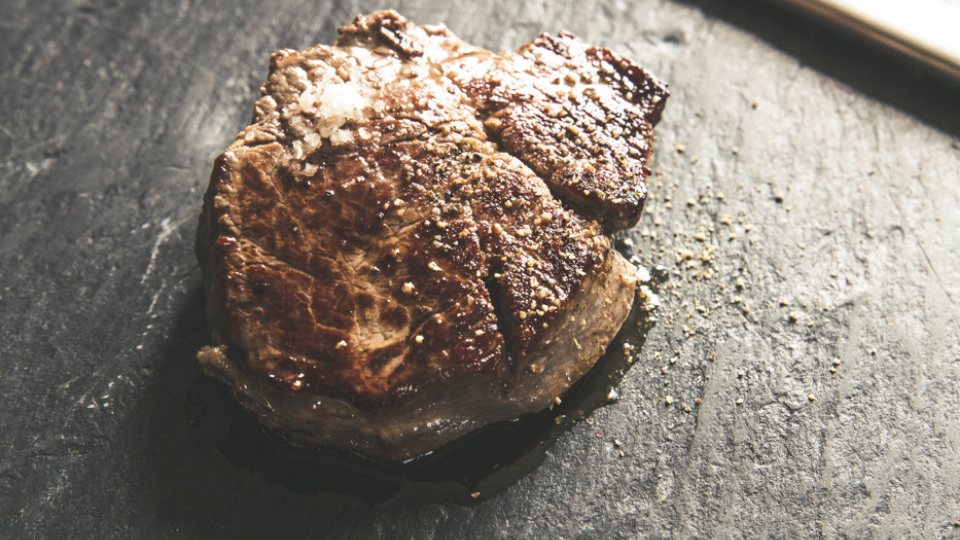
- Meat and fish lose water when cooked, so they weigh less and have more calories per gram.
- Rice, pasta, oats and beans soak up water, so they weigh more and have fewer calories per gram.
- Weigh and log in the same state: raw weight with a raw entry, or cooked weight with a cooked entry.
Cooking moves water, not calories
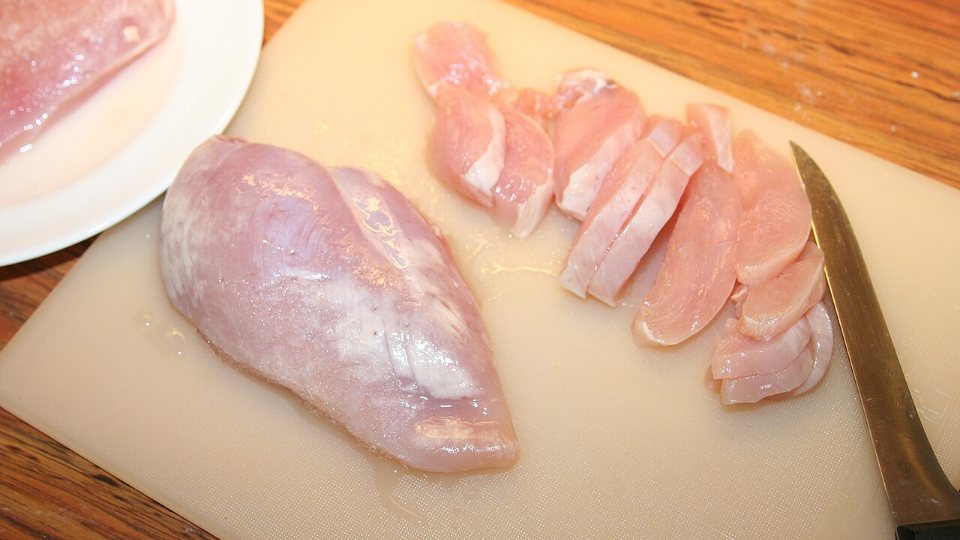
Water has no calories. When you grill a chicken breast, water cooks out of it, so it gets lighter while the protein stays put. Per 100 g, cooked chicken breast has more calories than raw: 157 against 120 in USDA’s records. Going by its protein, 100 g of raw breast ends up at roughly 70 g once cooked.
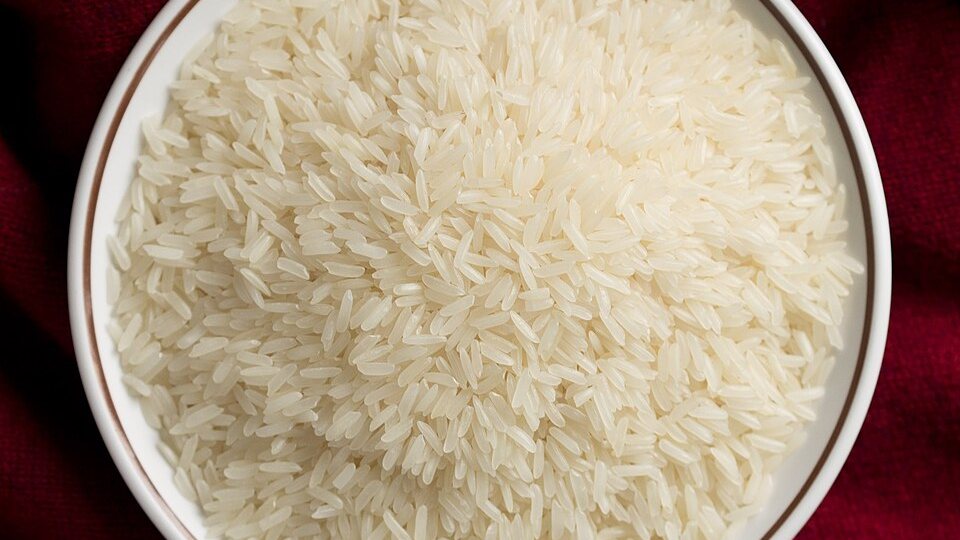
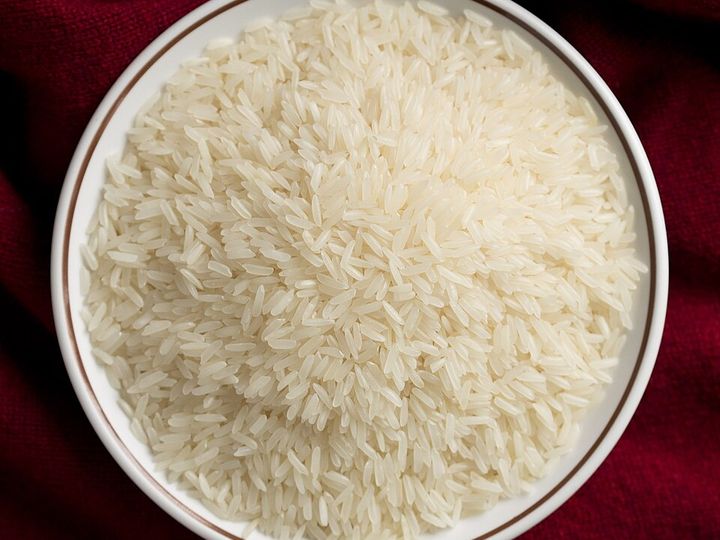
Grains and dry beans do the opposite. They take in water as they cook. 100 g of dry long-grain white rice has 365 calories and turns into about 281 g of cooked rice, which is why cooked rice shows only 130 calories per 100 g.
| Food | Raw or dry, per 100 g | Cooked, per 100 g | How it was cooked |
|---|---|---|---|
| Chicken breast, skinless | 120 cal | 157 cal | braised |
| Ground beef, 90% lean | 176 cal | 204 cal | pan-fried |
| Salmon, sockeye | 131 cal | 156 cal | baked or grilled |
| Pork tenderloin | 120 cal | 147 cal | roasted |
| Long-grain white rice | 365 cal | 130 cal | cooked |
| Spaghetti | 371 cal | 158 cal | cooked |
| Rolled oats | 379 cal | 71 cal | cooked in water |
| Brown lentils | 352 cal | 116 cal | boiled |
| Broccoli | 34 cal | 35 cal | boiled |
The mistake that costs the most
The trouble starts when the weight and the entry don’t match. Two common slips:
- Cooked chicken logged as raw. You weigh 150 g of grilled chicken but pick the raw entry: 180 calories instead of 236. That’s 56 calories missing from one meal.
- Cooked rice logged as dry. You weigh 200 g of cooked rice but pick the dry entry: 730 calories instead of 260. Now you’ve counted almost three times what you ate.
Neither number is wrong on its own. They answer different questions, and the label on the entry tells you which one.
Raw or cooked: which should you weigh?
Raw (or dry) is the most consistent. A raw weight doesn’t depend on how long you cooked something or how much water you used. It also matches most packaging: a bag of rice or pasta lists its nutrition dry, and a pack of chicken lists it raw.
Cooked is easier when you only have the cooked food. At a buffet, with leftovers, or when someone else cooked, weigh what’s on your plate and pick the cooked entry. Cooked values vary a little with the method (a braised breast and a grilled one lose different amounts of water), so expect your number to be close, not exact.
Cooking for the week?
For a batch of food you cooked yourself, weigh the raw ingredients, then weigh the whole cooked pot. Divide, and you know the calories in every gram you serve. Here’s how, step by step.
How Vitametry handles it
Every food in Vitametry says whether it is raw, cooked, dry or as sold, and foods that change with cooking come in both versions, each from its own official record. When you search “chicken breast”, you’ll see both, and the one you pick is the one you weighed.
Questions
Do calories change when you cook food?
Barely. Cooking mostly adds or removes water, which has no calories. Some fat can drip out of meat, and oil you cook with adds calories, so log any oil separately.
Should I weigh meat raw or cooked?
Either works if the entry matches. Raw is more consistent because cooked weight depends on how long you cooked it. If you only have it cooked, weigh it cooked and pick the cooked entry.
Why does cooked rice have fewer calories than dry rice?
Rice soaks up water as it cooks, so the same calories are spread over nearly three times the weight.
Sources
- USDA Agricultural Research Service. FoodData Central. fdc.nal.usda.gov
- USDA Agricultural Research Service. USDA Table of Cooking Yields for Meat and Poultry (2014). www.ars.usda.gov/ARSUserFiles/80400525/Data/retn/USDA_CookingYields_MeatPoultry.pdf
General nutrition information, not medical advice. If you have a health condition, are pregnant, or have had an eating disorder, talk to your doctor or a registered dietitian before changing how you eat. Food values: 1,021 of Vitametry’s 1,141 foods come from USDA FoodData Central; the rest from other national food tables and product labels.