The short version
- Most adults need 25 to 38 g of fiber a day: about 14 g for every 1,000 calories you eat.
- The label’s Daily Value is 28 g.
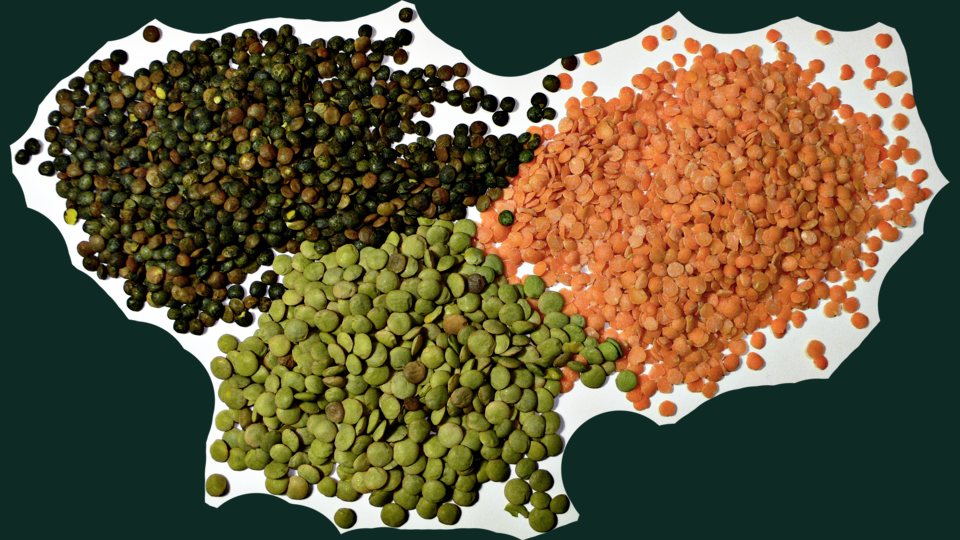
- Beans, lentils and split peas are the easiest wins, at 15 g or so per cooked cup.
How much fiber you need
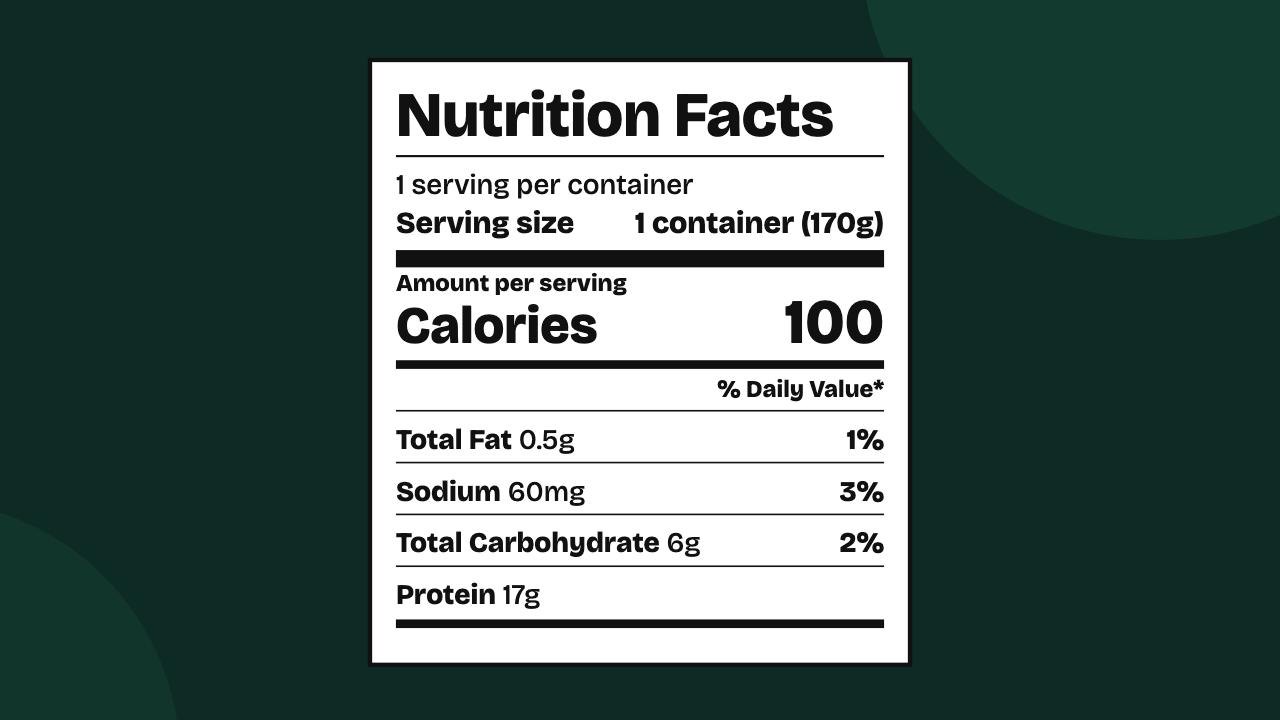
The National Academies set adequate intake at 14 g of fiber per 1,000 calories. For adults up to 50, that comes to about 25 g a day for women and 38 g for men; a little less after 50, as calorie needs fall. The Nutrition Facts label uses 28 g as its Daily Value.
Most Americans fall well short, according to the Dietary Guidelines. The 2025–2030 guidelines ask you to choose fiber-rich whole grains, and beans, vegetables and fruit all count.
The foods with the most fiber per serving
| Food | Amount | Fiber | Calories | Protein |
|---|---|---|---|---|
| Split peas, cooked | 1 cup (196 g) | 16.3 g | 231 | 16.3 g |
| Lentils, cooked | 1 cup (198 g) | 15.6 g | 230 | 17.9 g |
| Black beans, cooked | 1 cup (185 g) | 15.4 g | 241 | 15.1 g |
| Chickpeas, cooked | 1 cup (164 g) | 12.5 g | 269 | 14.5 g |
| Avocado | 1 cup, cubes (150 g) | 10.1 g | 240 | 3 g |
| Chia seeds | 1 oz (28 g) | 9.8 g | 138 | 4.7 g |
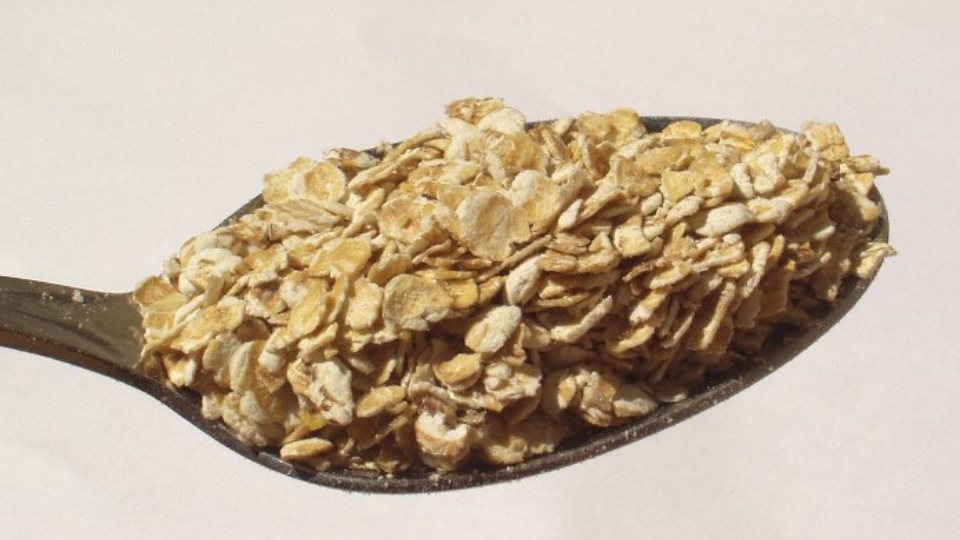
| Rolled oats, dry | 1 cup (81 g) | 8.2 g | 307 | 10.7 g |
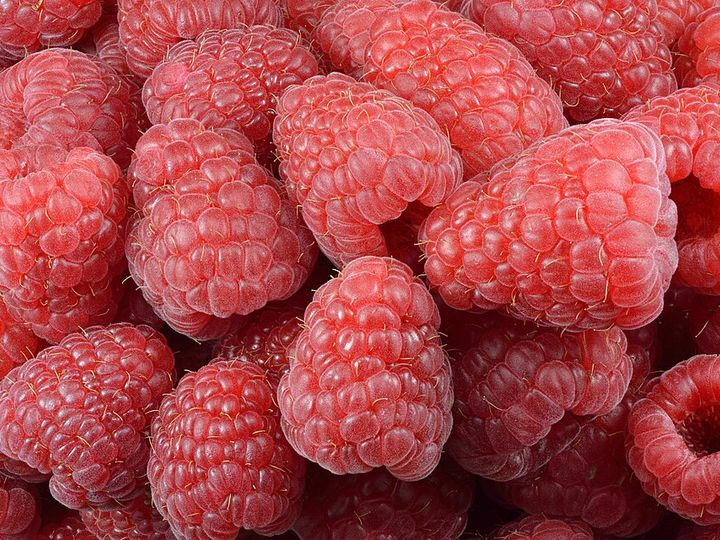
| Raspberries | 1 cup (123 g) | 8 g | 64 | 1.5 g |
| Artichoke, cooked | 1 artichoke, medium (120 g) | 6.8 g | 64 | 3.5 g |
| Pear | 1 medium (177 g) | 5.5 g | 112 | 0.7 g |
| Apple | 1 medium (172 g) | 4 g | 98 | 0.4 g |
| Brown rice, cooked | 1 cup (202 g) | 3.2 g | 248 | 5.5 g |
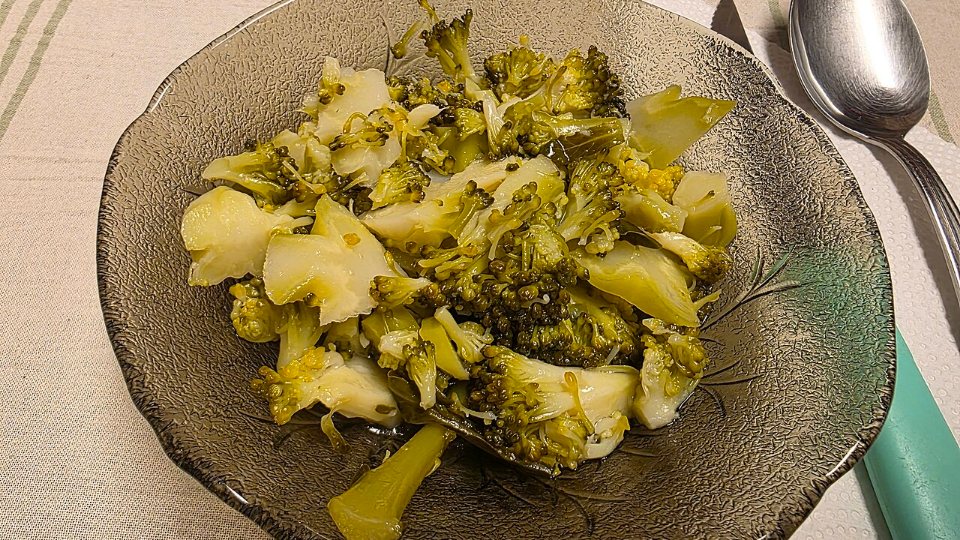
| Broccoli, cooked | ½ cup, chopped (78 g) | 2.6 g | 27 | 1.9 g |
| Whole wheat bread | 1 slice (32 g) | 1.9 g | 81 | 4 g |
A day with enough fiber
You don’t need supplements or special products. Here’s one ordinary day that gets there:
| Food | Fiber |
|---|---|
| ½ cup rolled oats | 4.1 g |
| 1 cup raspberries | 8 g |
| ½ cup black beans | 7.7 g |
| 1 medium pear | 5.5 g |
| 1 cup cooked broccoli | 5.1 g |
| Total | 30.4 g |
Adding fiber without discomfort
- Increase slowly over a week or two, so your gut can adjust.
- Drink enough water as you add fiber.
- Swap rather than add: whole wheat for white bread, brown rice for white some days, beans in place of part of the meat in chili.
Vitametry shows fiber for every food that has it listed, and your daily report shows your total. Cooking for yourself? Make it a recipe and the fiber is added up for you.
Questions
How much fiber should I eat a day?
About 14 g per 1,000 calories: roughly 25 g for women and 38 g for men up to age 50. The label’s Daily Value is 28 g.
What food has the most fiber?
Of everyday foods, cooked split peas, lentils and beans: about 16.3 g in a cup of cooked split peas and 15.6 g in a cup of lentils.
Can you eat too much fiber?
Adding a lot quickly can cause gas and bloating. Increase slowly and drink water. If you have a digestive condition, ask your doctor.
Sources
- Institute of Medicine. Dietary Reference Intakes for Energy, Carbohydrate, Fiber, Fat, Fatty Acids, Cholesterol, Protein, and Amino Acids. National Academies Press, 2005. nap.nationalacademies.org/catalog/10490
- U.S. Department of Agriculture and U.S. Department of Health and Human Services. Dietary Guidelines for Americans, 2025–2030 (January 2026). realfood.gov
- U.S. Department of Agriculture and U.S. Department of Health and Human Services. Dietary Guidelines for Americans, 2020–2025. www.dietaryguidelines.gov
- U.S. Food and Drug Administration. Daily Value on the Nutrition and Supplement Facts Labels. www.fda.gov/food/nutrition-facts-label/daily-value-nutrition-and-supplement-facts-labels
- USDA Agricultural Research Service. FoodData Central. fdc.nal.usda.gov
General nutrition information, not medical advice. If you have a health condition, are pregnant, or have had an eating disorder, talk to your doctor or a registered dietitian before changing how you eat. Food values: 1,021 of Vitametry’s 1,141 foods come from USDA FoodData Central; the rest from other national food tables and product labels.