The short version
- The RDA, 0.8 g per kilogram of body weight (0.36 g per pound), is the minimum that covers nearly all healthy adults.
- The 2025–2030 Dietary Guidelines for Americans aim higher: 1.2 to 1.6 g per kilogram a day, with protein at every meal.
- If you’re losing weight or building muscle, more protein helps you keep or gain muscle. Vitametry uses 0.7 to 0.9 g per pound, depending on your goal.
Three numbers you’ll see, and what they mean
The RDA: 0.8 g per kg. The Recommended Dietary Allowance, set by the National Academies, is the amount that meets the needs of nearly all healthy adults. It’s a floor to avoid falling short, not a target for building muscle or losing fat.
The Dietary Guidelines for Americans, 2025–2030: 1.2 to 1.6 g per kg. The guidelines released by USDA and HHS in January 2026 raised the everyday target and ask you to make protein a priority at every meal, adjusted to your calorie needs.
For people who train: 1.4 to 2.0 g per kg. This range comes from the International Society of Sports Nutrition’s position on protein and exercise, for people who work out regularly.
Your daily protein, by body weight
| Body weight | RDA minimum | 2025–2030 guidelines | Vitametry, losing weight |
|---|---|---|---|
| 120 lb (54 kg) | 44 g | 65–87 g | 96 g |
| 140 lb (64 kg) | 51 g | 76–102 g | 112 g |
| 160 lb (73 kg) | 58 g | 87–116 g | 128 g |
| 180 lb (82 kg) | 65 g | 98–131 g | 144 g |
| 200 lb (91 kg) | 73 g | 109–145 g | 160 g |
| 220 lb (100 kg) | 80 g | 120–160 g | 176 g |
| 240 lb (109 kg) | 87 g | 131–174 g | 192 g |
If you have a lot of weight to lose, many dietitians work from a goal or adjusted body weight rather than your current weight, which gives a lower number. Vitametry uses your current weight, and you can change your targets in the app.
A health note
If you have kidney disease, or your doctor has told you to limit protein, follow their advice rather than these ranges.
Why protein matters more when you’re cutting calories
When you eat less than you burn, your body draws on fat and some muscle. Eating enough protein, and doing some strength training, helps you lose more of the first and less of the second. Protein foods also tend to be filling for their calories, which makes a calorie target easier to live with.
That’s why Vitametry sets protein by your goal: 0.8 g per pound to lose weight, 0.7 to maintain or gain, and 0.9 to build muscle. See how the rest of your targets are worked out.
Protein in common servings
| Food | Amount | Protein | Calories |
|---|---|---|---|
| Chicken breast (skinless), cooked | 3 oz (85 g) | 27.3 g | 133 |
| Greek yogurt, nonfat | 1 container (170 g) | 17.3 g | 100 |
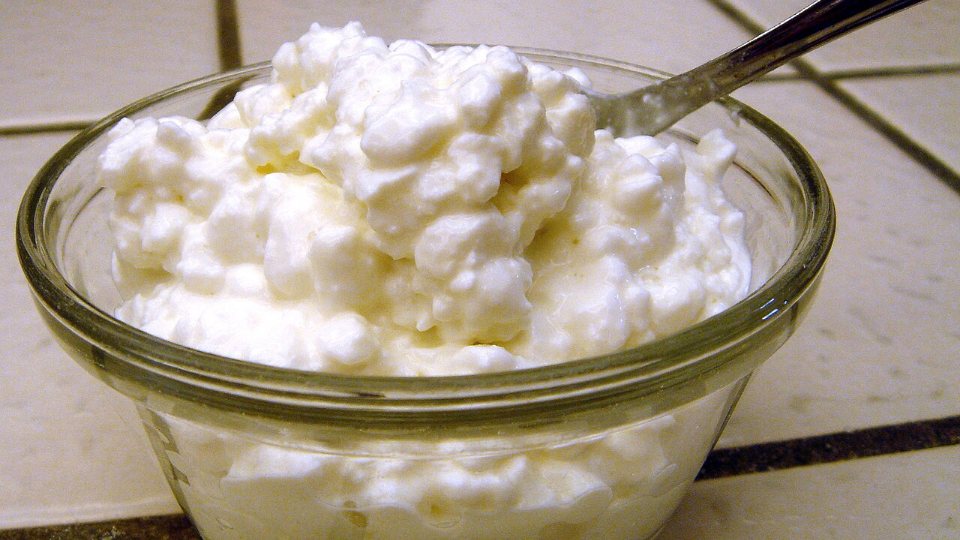
| Cottage cheese | 4 oz (113 g) | 12.6 g | 111 |
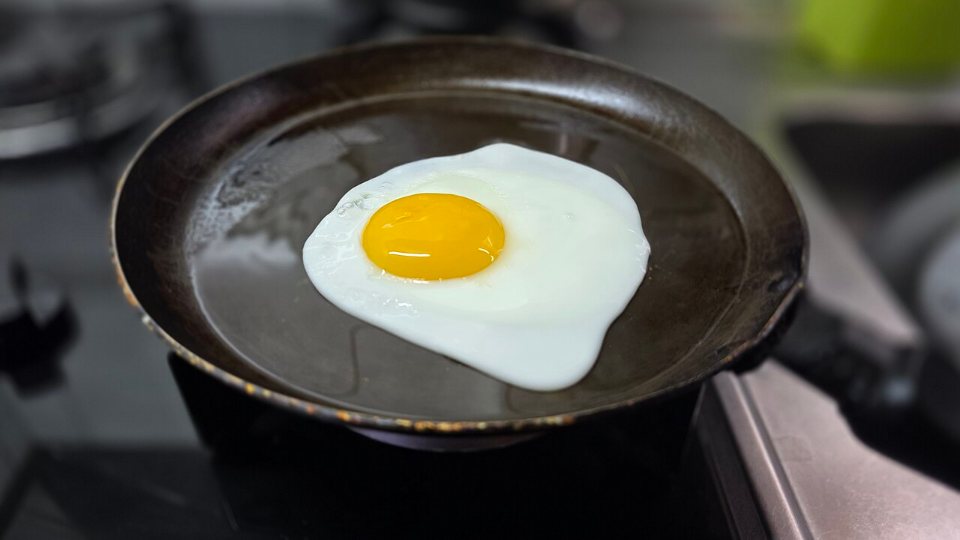
| Eggs, 2 large | 100 g (3.5 oz) | 12.6 g | 143 |
| Firm tofu | ½ cup (126 g) | 11.4 g | 98 |
| Lentils (brown), cooked | 1 cup (198 g) | 17.9 g | 230 |
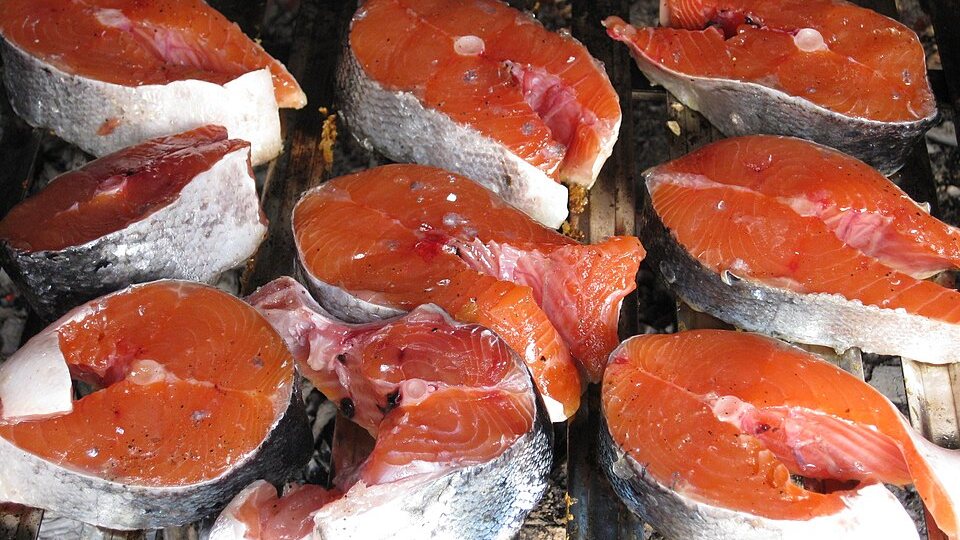
| Salmon (sockeye), cooked | 3 oz (85 g) | 22.5 g | 133 |
| Edamame, cooked | 1 cup (180 g) | 22.2 g | 254 |
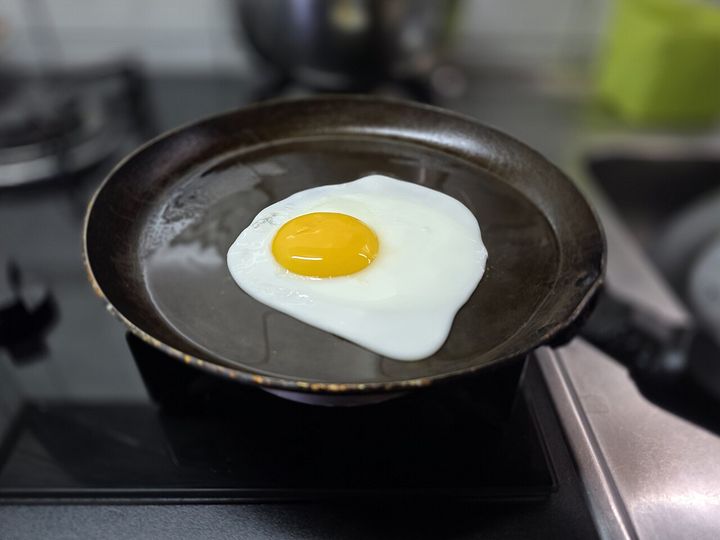
Spreading protein over your meals is usually easier than catching up at dinner. These recipes from Vitametry each bring about 40 g or more:
| Recipe | Calories | Protein |
|---|---|---|
| Chicken, rice and broccoli bowl | 552 | 63 g |
| Chicken Caesar salad | 386 | 45 g |
| Steak with potato and green beans | 566 | 44 g |
| Baked cod with quinoa and asparagus | 424 | 43 g |
| Turkey and bean chili | 400 | 40 g |
Want the most protein for the fewest calories? Here are common foods ranked by protein per 100 calories.
Questions
How much protein do I need a day to lose weight?
Many people aim for about 0.7 to 1 g per pound of body weight while losing weight, which helps keep muscle. Vitametry uses 0.8 g per pound for weight loss.
Is 0.8 g per kg enough?
It covers the needs of nearly all healthy adults, but it is a minimum. The 2025–2030 Dietary Guidelines suggest 1.2 to 1.6 g per kg a day.
Can I eat too much protein?
For healthy adults, the higher ranges here are considered safe. If you have kidney disease, ask your doctor what is right for you.
Sources
- U.S. Department of Agriculture and U.S. Department of Health and Human Services. Dietary Guidelines for Americans, 2025–2030 (January 2026). realfood.gov
- Institute of Medicine. Dietary Reference Intakes for Energy, Carbohydrate, Fiber, Fat, Fatty Acids, Cholesterol, Protein, and Amino Acids. National Academies Press, 2005. nap.nationalacademies.org/catalog/10490
- Jäger R, Kerksick CM, Campbell BI, et al. International Society of Sports Nutrition Position Stand: protein and exercise. J Int Soc Sports Nutr. 2017;14:20. doi.org/10.1186/s12970-017-0177-8
- USDA Agricultural Research Service. FoodData Central. fdc.nal.usda.gov
General nutrition information, not medical advice. If you have a health condition, are pregnant, or have had an eating disorder, talk to your doctor or a registered dietitian before changing how you eat. Food values: 1,021 of Vitametry’s 1,141 foods come from USDA FoodData Central; the rest from other national food tables and product labels.