The short version
- Labels round their numbers: under 5 calories can be listed as 0, and under 0.5 g of fat as 0 g.
- Under FDA rules, calories, sugars, fat and sodium can be up to 20% above what the label says before it counts as wrong.
- Small errors matter less than you think if you log the same way every day, because your weekly trend catches them.
Rounding: when zero isn’t zero
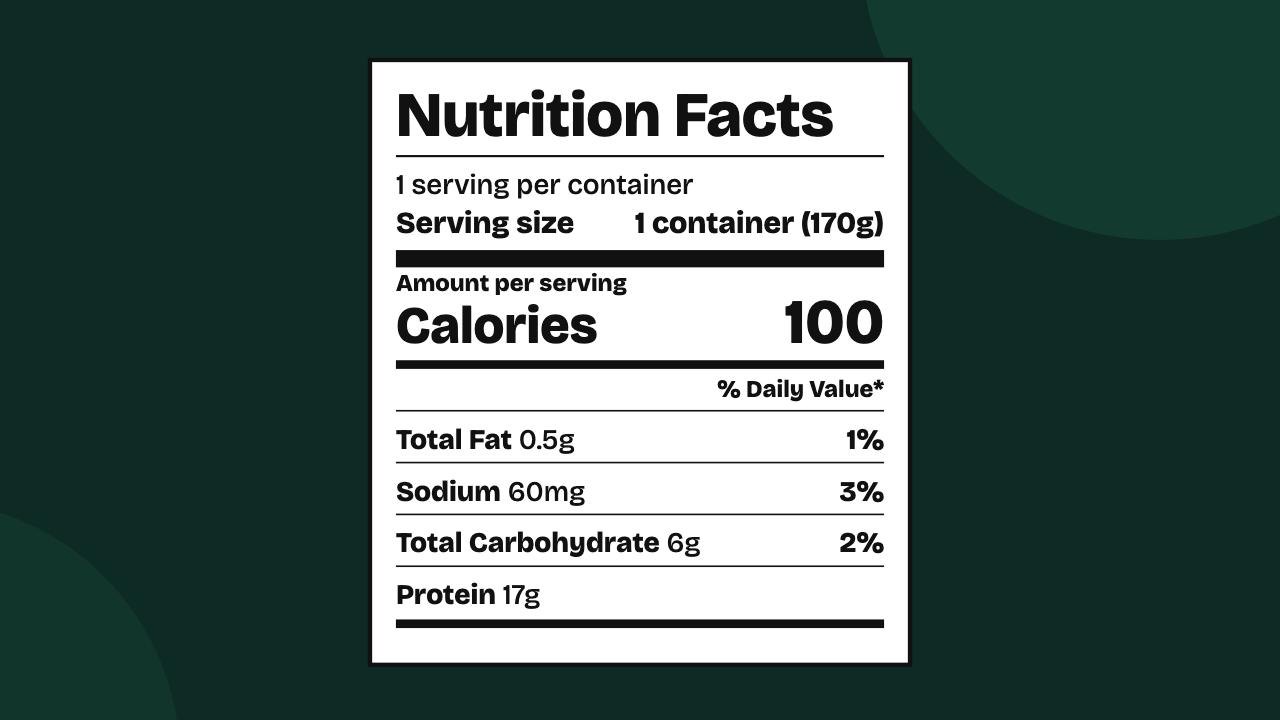
US labels follow FDA rounding rules. Calories are shown to the nearest 5 up to 50, and to the nearest 10 above that. A serving with less than 5 calories can be listed as 0. Fat is shown to the nearest half gram below 5 g, and a serving with less than 0.5 g of fat can be listed as 0 g.
This is why cooking spray can say “0 calories” when it’s almost pure oil. Its serving is a tiny spray, too small to round above zero. Oil itself is 884 calories per 100 g, about 119 in a tablespoon, so a long spray across a pan is many “zero” servings. The same goes for sweetener packets and breath mints.
The 20% rule
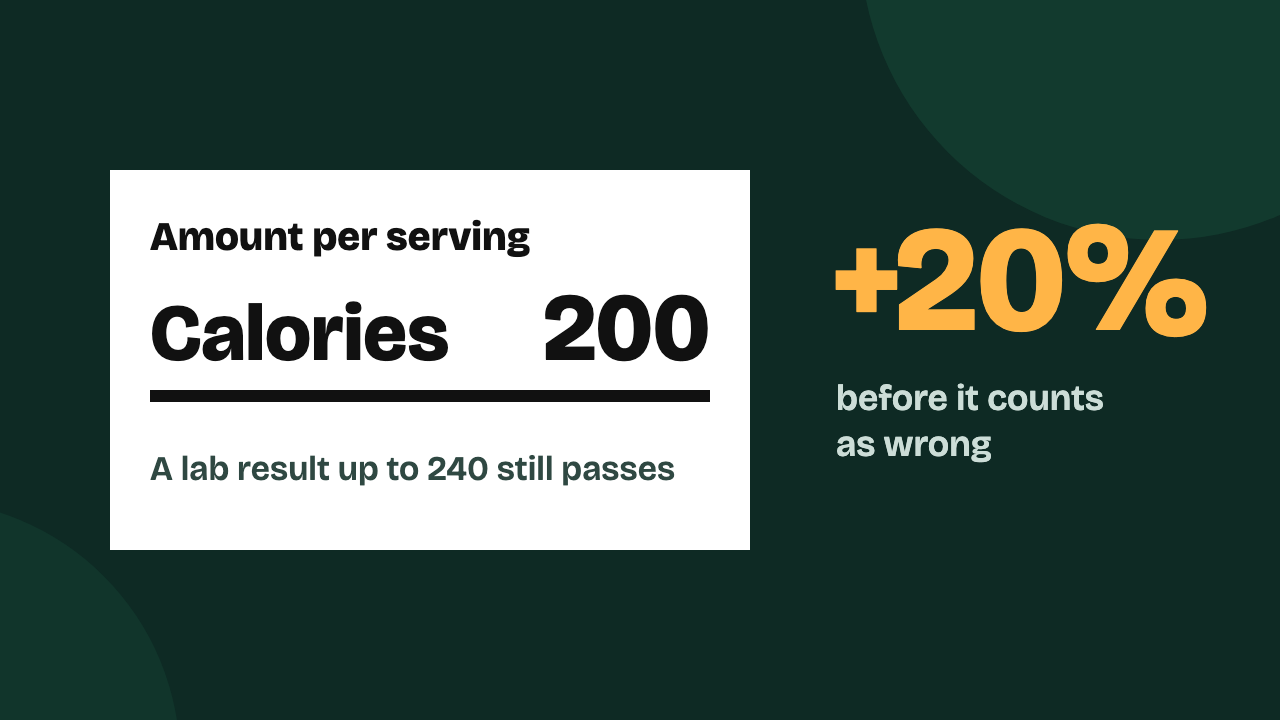
When the FDA checks a food, it compares the label with lab results from samples of the product. For calories, sugars, total and saturated fat, cholesterol and sodium, a food is considered misbranded if those are more than 20% higher than the label says. For nutrients you want more of, like protein and fiber, the food generally has to contain at least 80% of what’s declared.
So a snack labeled 200 calories that really has 230 is within the rules. Most foods are much closer than that, but the room exists, and natural foods vary anyway: no two apples or chicken breasts are exactly the same.
Restaurants and fresh food
Larger restaurant chains in the US show calories on their menus, worked out from their recipes. Portions made by hand vary more than packaged food, so treat menu numbers as good estimates. For fresh foods with no label, Vitametry uses official food tables like USDA FoodData Central, which give average values from many samples.
Why counting still works
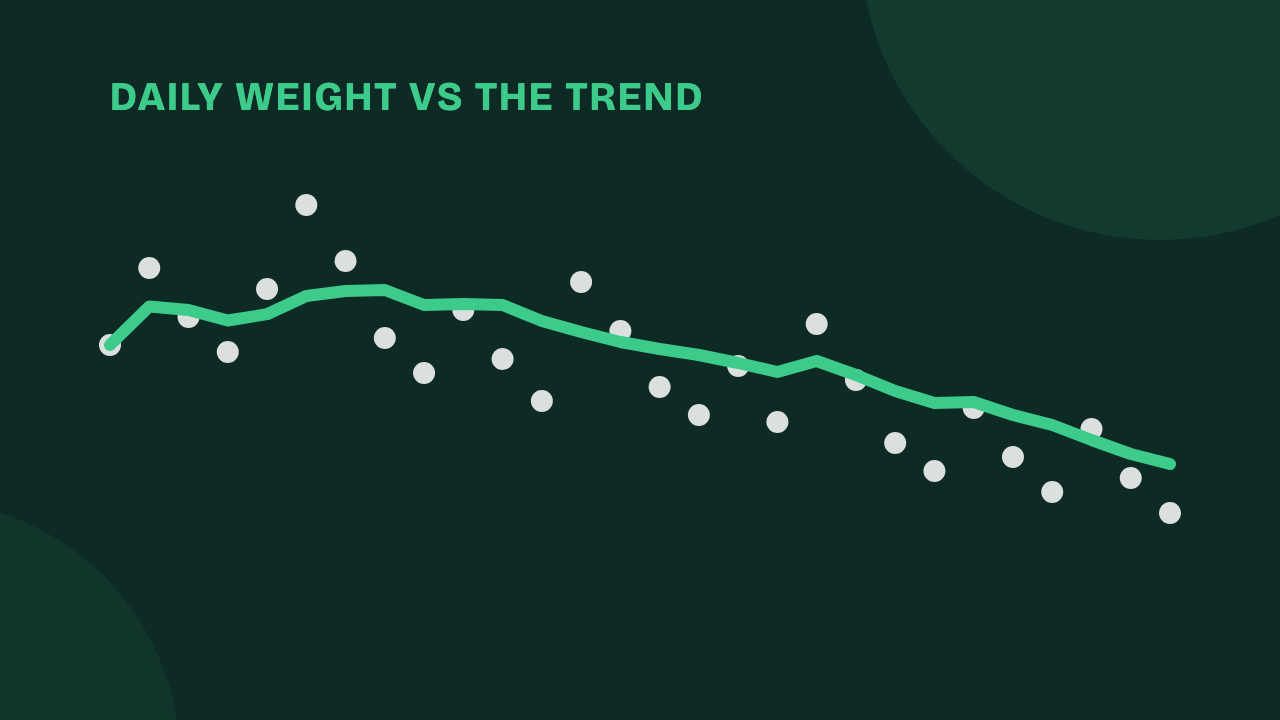
Errors that go the same way every day don’t ruin your plan. If your favorite granola really has 10% more than its label, it will have 10% more every time you eat it. Your weight trend will show it, and the weekly check-in will adjust your target to match what really happens.
What hurts more is inconsistency: guessing portions one day and weighing the next, or forgetting cooking oil on busy days. A food scale and the same habits every day matter more than perfect labels. Why a scale beats cups.
Where Vitametry’s numbers come from
When you scan a barcode, Vitametry shows the label’s own numbers, and for fresh foods it shows which official table each number comes from. You can always see where a number came from.
Questions
Can a nutrition label be wrong?
Labels are rounded, and under FDA rules calories, sugars, fat and sodium can be up to 20% above the label before the food counts as misbranded. Most foods are closer than that.
Why does cooking spray say 0 calories?
Its serving is a tiny spray. Anything under 5 calories per serving can be listed as 0, even though the spray is almost pure oil.
Sources
- 21 CFR 101.9, Nutrition labeling of food (Electronic Code of Federal Regulations). www.ecfr.gov/current/title-21/chapter-I/subchapter-B/part-101/subpart-A/section-101.9
- U.S. Food and Drug Administration. How to Understand and Use the Nutrition Facts Label. www.fda.gov/food/nutrition-facts-label/how-understand-and-use-nutrition-facts-label
General nutrition information, not medical advice. If you have a health condition, are pregnant, or have had an eating disorder, talk to your doctor or a registered dietitian before changing how you eat. Food values: 1,021 of Vitametry’s 1,141 foods come from USDA FoodData Central; the rest from other national food tables and product labels.