The short version
- About 500 calories a day under maintenance loses about 1 lb a week, by the 3,500-calories-per-pound rule of thumb.
- The CDC says people who lose about 1 to 2 lb a week are more likely to keep the weight off than people who lose faster.
- Weight loss slows as you get lighter, so a target that worked in month one needs checking later.
From pace to daily calories
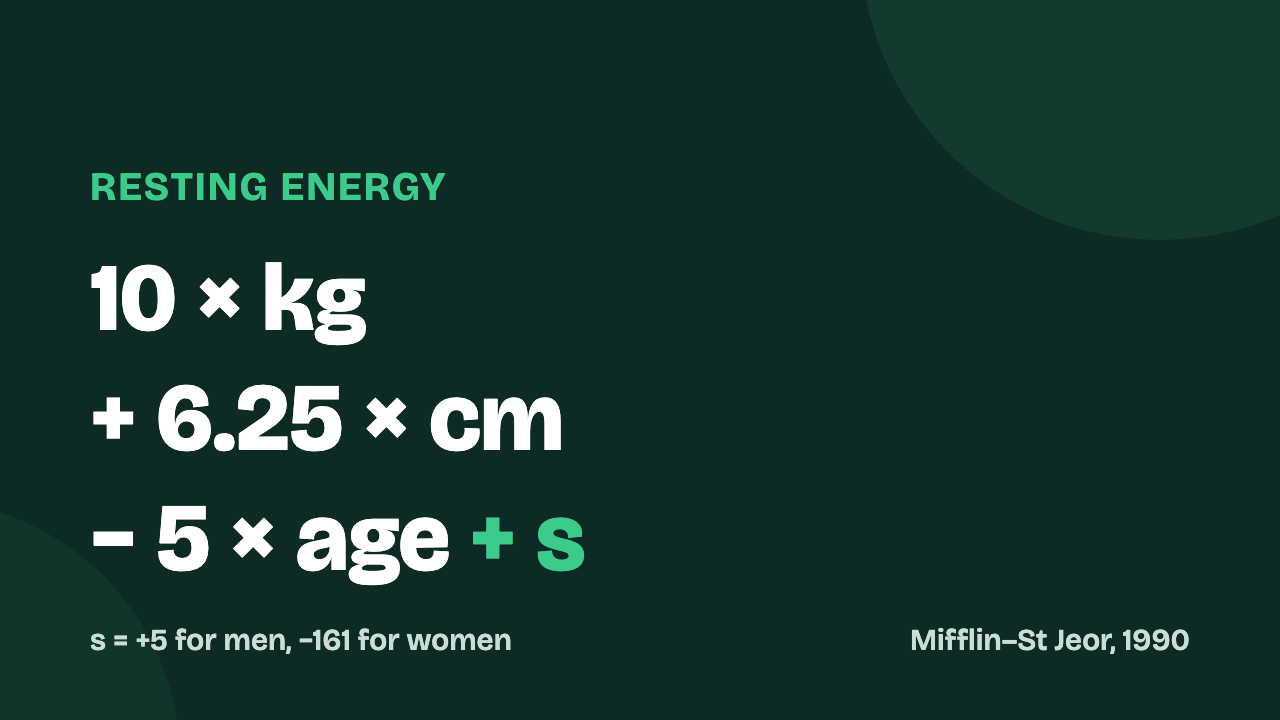
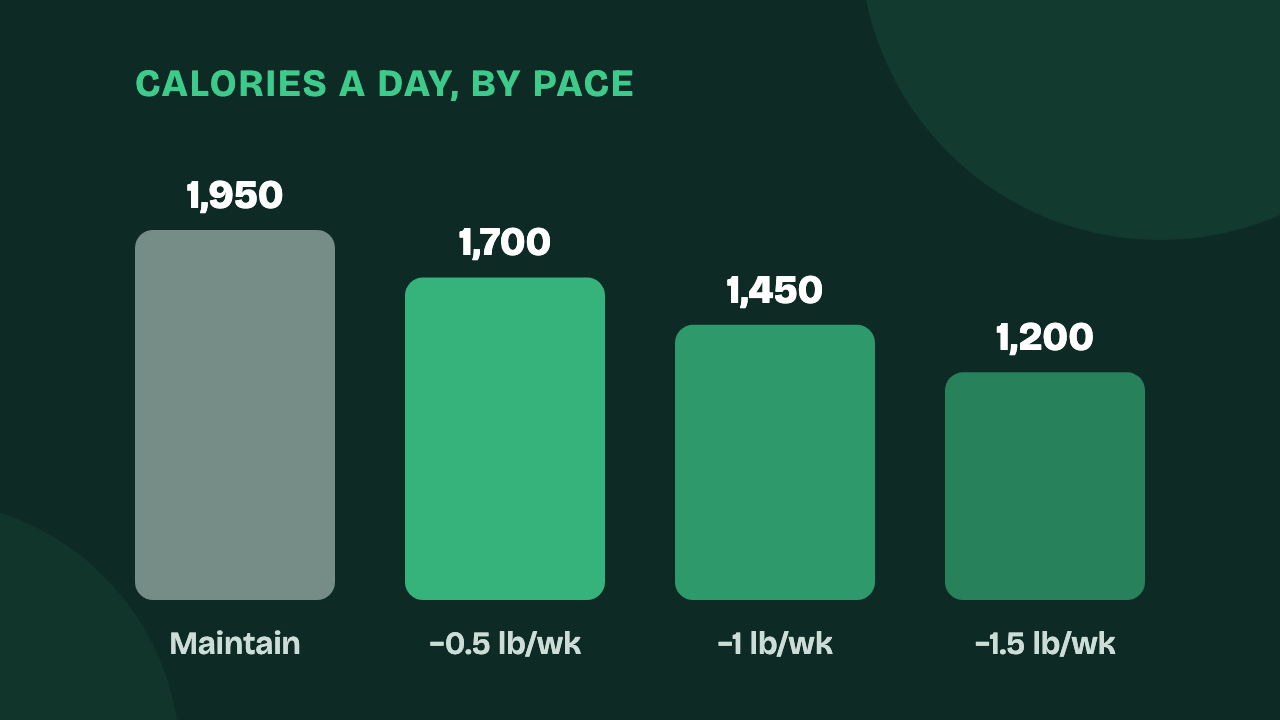
Your maintenance number is roughly what you burn in a day (here’s how it’s worked out). A pound of body fat is often counted as about 3,500 calories, so each pound a week needs about 500 calories a day less (3,500 ÷ 7):
| Pace | Daily deficit | Woman, 35, 5′5″, 160 lb, lightly active | Man, 42, 5′10″, 220 lb, active |
|---|---|---|---|
| Stay the same | 0 | 1,950 cal | 2,950 cal |
| 0.5 lb a week | 250 cal | 1,700 cal | 2,700 cal |
| 1 lb a week | 500 cal | 1,450 cal | 2,450 cal |
| 1.5 lb a week | 750 cal | 1,200 cal | 2,200 cal |
For the first person, losing 15 lb at 1 lb a week takes about 15 weeks. Choosing 1.5 lb a week cuts that to 10 weeks, but her target drops to 1,200 calories a day, which leaves little room for the foods she enjoys.
Why faster isn’t always better
It’s harder to keep up. A plan you drop after three weeks loses less than a gentler one you follow for six months. Hunger, energy and social meals all get harder as the deficit grows.
You keep less muscle. The bigger the deficit, the harder it is to hold on to muscle. Eating enough protein and doing some strength training both help. How much protein to aim for.
Very low-calorie diets need a doctor. The US guideline for treating obesity says diets under 800 calories a day should be used only in limited cases, with medical supervision. If your target comes out very low, choose a slower pace.
Before you start
If you are pregnant or breastfeeding, under 18, have a medical condition, or have had an eating disorder, talk to your doctor or a registered dietitian before eating to a calorie deficit.
The 3,500-calorie rule is a starting point
The rule is handy for setting a pace, but it isn’t how bodies really behave over months. As you lose weight, you burn less: a lighter body needs less energy to move around and to keep running. Research led by Kevin Hall at the US National Institutes of Health showed that the simple rule overestimates long-term weight loss, because of exactly this.
In practice, that means a target that works well at first will slowly lose effect. Two things help: updating your weight in your plan as it changes, and checking your real trend every week.
How Vitametry keeps the deficit honest
The weekly check-in compares how fast your weight is really changing with the pace you chose. If you’re losing clearly slower than planned, it suggests 100 calories less a day. If you’re losing much faster than planned, it suggests 100 more, so you don’t burn out. Small changes, and you choose whether to take them.
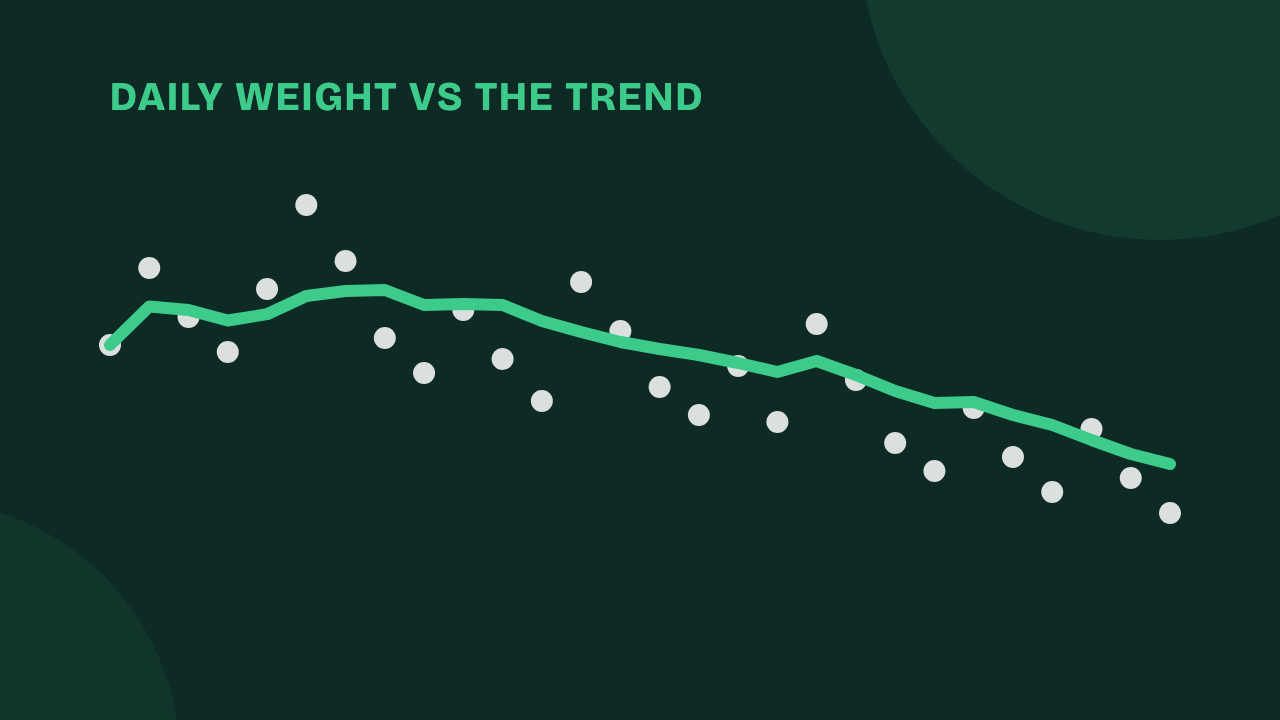
Because the check-in reads your real trend, it also absorbs errors you can’t see, like a scale that reads a little high or meals that are bigger than you thought. Why day-to-day weight jumps don’t count.
Questions
How many calories should I cut to lose 1 lb a week?
About 500 calories a day below your maintenance number, by the 3,500-calories-per-pound rule of thumb.
Is it safe to lose 2 pounds a week?
The CDC describes 1 to 2 lb a week as a gradual, steady pace. Faster loss is harder to keep up and harder on muscle. Ask your doctor if you have a health condition.
Why did my weight loss slow down?
As you get lighter, you burn fewer calories, so the same intake gives a smaller deficit. Updating your weight and checking your trend each week keeps your target in step.
Sources
- Centers for Disease Control and Prevention. Steps for Losing Weight. www.cdc.gov/healthy-weight-growth/losing-weight/index.html
- Hall KD, Sacks G, Chandramohan D, et al. Quantification of the effect of energy imbalance on bodyweight. Lancet. 2011;378(9793):826–837. doi.org/10.1016/S0140-6736(11)60812-X
- Jensen MD, Ryan DH, Apovian CM, et al. 2013 AHA/ACC/TOS Guideline for the Management of Overweight and Obesity in Adults. Circulation. 2014;129(25 Suppl 2):S102–S138. doi.org/10.1161/01.cir.0000437739.71477.ee
General nutrition information, not medical advice. If you have a health condition, are pregnant, or have had an eating disorder, talk to your doctor or a registered dietitian before changing how you eat. Food values: 1,021 of Vitametry’s 1,141 foods come from USDA FoodData Central; the rest from other national food tables and product labels.