The short version
- The Dietary Guidelines limit sodium to under 2,300 mg a day for anyone 14 or older. That’s about one teaspoon of salt.
- Americans average about 3,400 mg a day, and over 70% of it comes from packaged and prepared foods, according to the FDA.
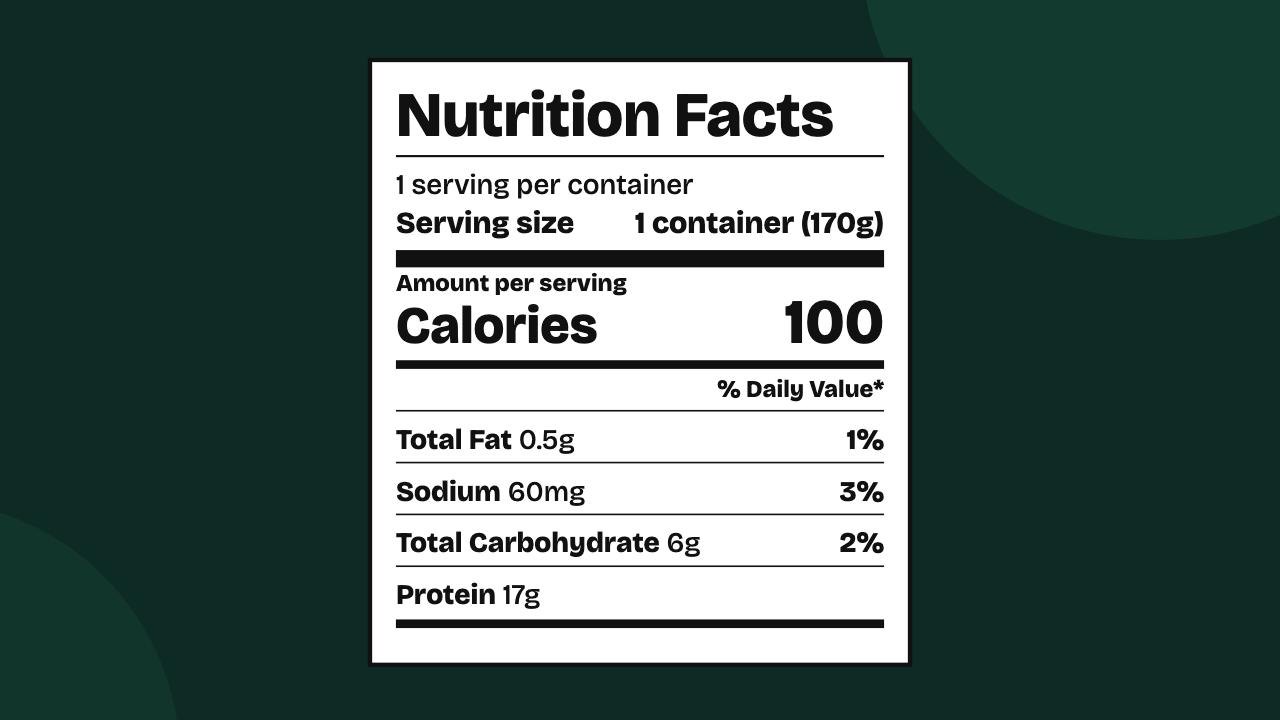
- Sauces, cured meats, cheese and bread add up fastest. On a label, 20% DV or more (460 mg) is high.
How much sodium is too much
The Dietary Guidelines for Americans 2025–2030 keep the limit at less than 2,300 mg of sodium a day for people 14 and older, with lower limits for younger children. The Nutrition Facts label uses 2,300 mg as its Daily Value. Salt is about 40% sodium, so 2,300 mg is roughly a teaspoon of table salt.
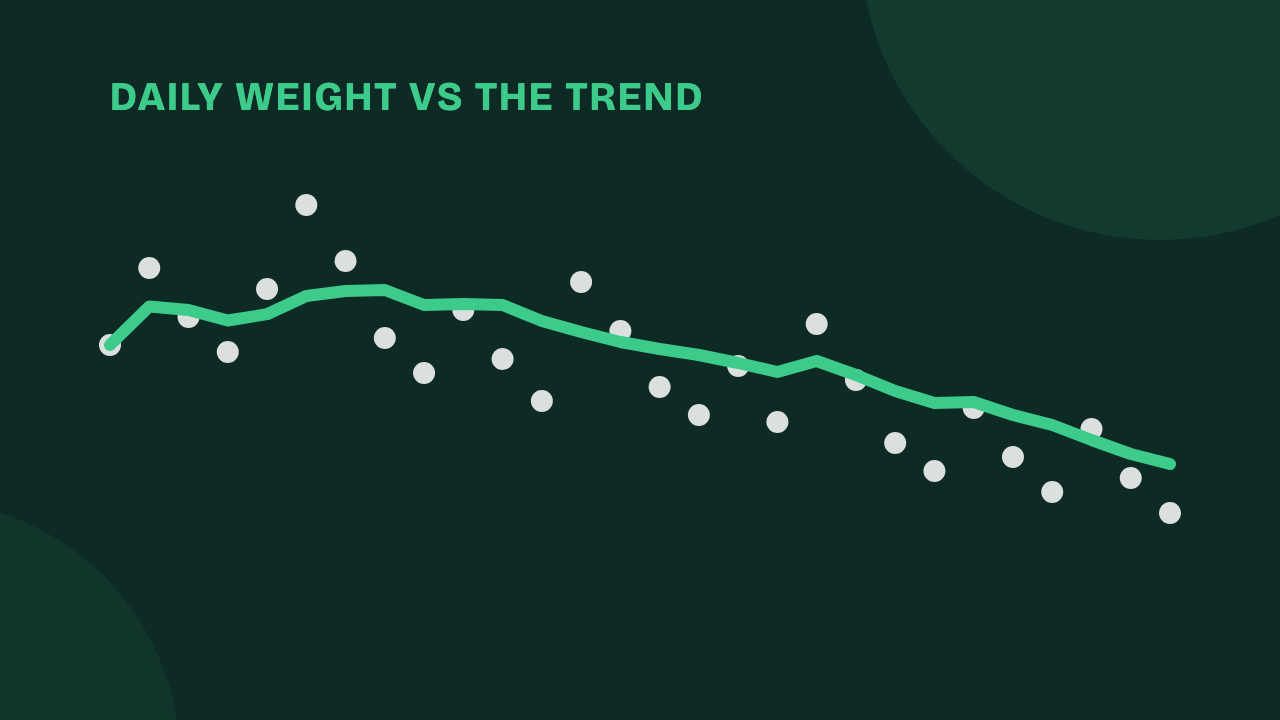
Too much sodium raises blood pressure in many people, and high blood pressure raises the risk of heart disease and stroke. It also makes you hold water, which shows on the scale the next morning. Why your weight jumps after a salty meal.
Sodium in common foods
| Food and serving | Sodium | Share of 2,300 mg |
|---|---|---|
| Fish sauce, 1 tbsp | 1,413 mg | 61% |
| Soy sauce, 1 tbsp | 879 mg | 38% |
| Ham, 2 oz | 728 mg | 32% |
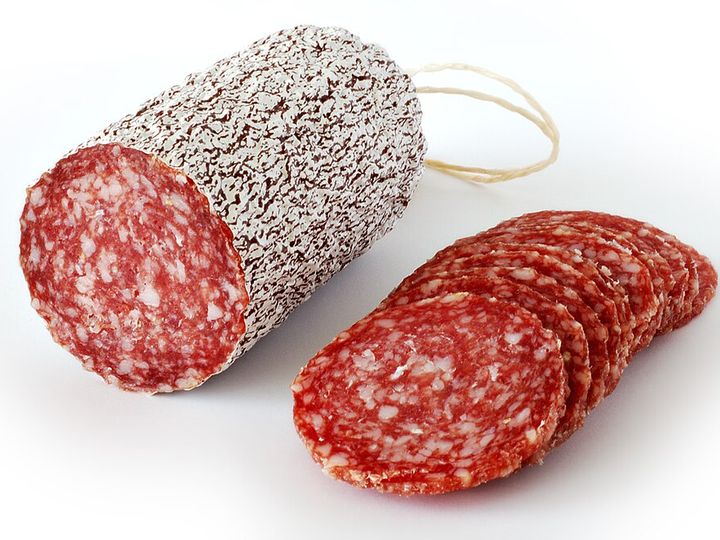
| Salami, 3 slices | 678 mg | 29% |
| Miso, 1 tbsp | 634 mg | 28% |
| Flour tortilla, 10 inch | 530 mg | 23% |
| Beef jerky, 1 oz | 506 mg | 22% |
| Green olives, 10 | 420 mg | 18% |
| Cottage cheese, 4 oz | 356 mg | 15% |
| Parmesan, 1 oz | 333 mg | 14% |
| Feta, 1 oz | 323 mg | 14% |
| White bread, 2 slices | 284 mg | 12% |
| Hummus, 2 tbsp | 128 mg | 6% |
A ham and cheese sandwich on white bread (2 slices, 2 oz ham, 1 oz cheddar) comes to about 1,197 mg before any mustard or pickles: 52% of the day’s limit in one lunch.
Where it hides
The FDA says over 70% of the sodium Americans eat comes from packaged and prepared foods, not from the salt shaker. About 40% comes from a short list of everyday foods: deli meat sandwiches, pizza, burritos and tacos, soups, savory snacks like chips and crackers, poultry, pasta dishes, burgers, and egg dishes.
Some foods are salty without tasting salty. Bread is the classic one: each slice isn’t much, but most people eat several a day. Cottage cheese, a favorite diet food, has 356 mg in 4 oz.
Easy ways to eat less
- Compare labels. Soups, breads, sauces and frozen meals vary a lot between brands. Pick the one with the lower % DV.
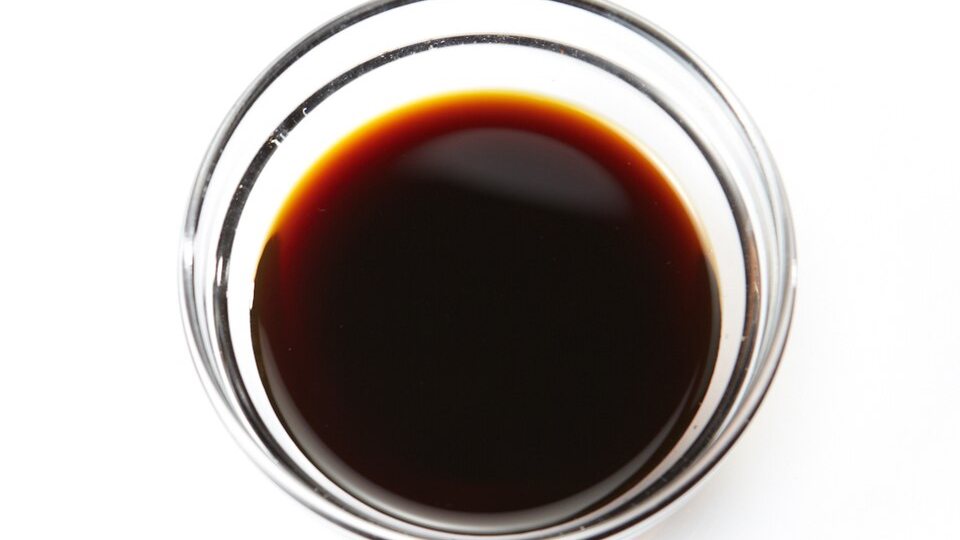
- Measure sauces. A tablespoon of soy sauce is 879 mg. Reduced-sodium versions and a measuring spoon both help.
- Drain and rinse canned beans and vegetables. Rinsing washes away some of the salty liquid.
- Cook more at home. You control the salt, and you can season with herbs, spices, citrus and vinegar instead.
- Go easy on cured meats. Fresh chicken breast has 40 mg in 3 oz; the same weight of ham has 1,091 mg.
In the app
Vitametry shows sodium for every food that has it listed, and scanned products show the sodium from their label.
Questions
How much sodium should I have a day?
Less than 2,300 mg a day for anyone 14 or older, per the Dietary Guidelines for Americans. That is about a teaspoon of salt.
How much sodium is in a teaspoon of salt?
About 2,300 mg, a whole day’s limit. Salt (sodium chloride) is about 40% sodium by weight.
What foods are highest in sodium?
Soy and fish sauce, cured meats, cheese, bread, pizza, soups and many restaurant meals.
Sources
- U.S. Department of Agriculture and U.S. Department of Health and Human Services. Dietary Guidelines for Americans, 2025–2030 (January 2026). realfood.gov
- U.S. Food and Drug Administration. Sodium in Your Diet. www.fda.gov/food/nutrition-education-resources-materials/sodium-your-diet
- U.S. Food and Drug Administration. Daily Value on the Nutrition and Supplement Facts Labels. www.fda.gov/food/nutrition-facts-label/daily-value-nutrition-and-supplement-facts-labels
- USDA Agricultural Research Service. FoodData Central. fdc.nal.usda.gov
General nutrition information, not medical advice. If you have a health condition, are pregnant, or have had an eating disorder, talk to your doctor or a registered dietitian before changing how you eat. Food values: 1,021 of Vitametry’s 1,141 foods come from USDA FoodData Central; the rest from other national food tables and product labels.